Smile Calligraphy: The Handwritten Font with Modern Charm
There’s something undeniably magnetic about a font that feels personal. You know the type—the one that makes a wedding invitation feel intimate, a brand logo feel approachable, or a social media quote feel like it was penned just for you. That’s the space Smile Calligraphy occupies. It’s not just another script font; it’s a carefully crafted typeface that blends the warmth of human touch with the polish of modern design. Whether you’re building a brand from scratch, designing a product line, or simply want your next creative project to resonate on a deeper level, understanding how to leverage a font like this can make all the difference.
A Typeface That Feels Alive
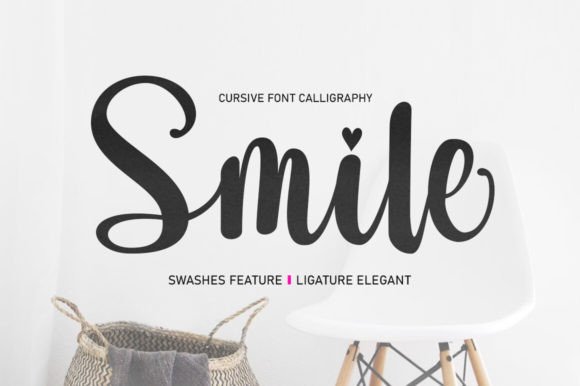
What sets Smile Calligraphy apart is its personality. The strokes are graceful and flowing, with a sophistication that avoids feeling stiff or overly formal. It carries the elegance of traditional calligraphy but with a contemporary, slightly relaxed rhythm. This balance is key. Too formal, and it feels distant. Too casual, and it might lack professionalism. Smile hits that sweet spot where charm meets credibility. The letterforms have subtle variations in thickness, mimicking the natural pressure of a pen on paper, which gives text an authentic, handcrafted quality. It’s this detail that elevates it from a simple display font to a versatile design asset.
For designers and business owners, this visual appeal translates directly into audience connection. A handwritten font like this can soften a corporate identity, add warmth to e-commerce packaging, or make digital content feel more relatable. Think about the brands you’re drawn to—often, their visual language uses typography to tell a story before you even read the words. Smile Calligraphy is built for that kind of storytelling.
Where This Font Truly Shines: Practical Applications
The real test of any premium font is its adaptability. Where does Smile Calligraphy work best? The short answer is: almost anywhere you want to inject personality without sacrificing clarity. Let’s break down some specific scenarios where this typeface can elevate your work.
- Branding & Logo Design: For businesses in the wellness, beauty, lifestyle, or artisan food space, a script font can become the cornerstone of a brand identity. Smile Calligraphy works beautifully for logos, taglines, and brand marks, especially when paired with a clean sans-serif for body text. It immediately communicates approachability and care.
- Packaging Design: Imagine this font on a candle label, a skincare bottle, or a gourmet coffee bag. It adds a layer of perceived value and craftsmanship, suggesting the product inside is made with attention to detail.
- Social Media & Digital Content: In a feed full of generic sans-serifs, a well-chosen script font can stop the scroll. Use it for quote graphics, Instagram story headers, or YouTube thumbnails to add a personal, editorial feel that boosts engagement.
- Invitations & Event Stationery: This is a natural fit. Wedding invitations, baby shower details, or boutique event flyers benefit from the font’s elegance and warmth, setting the tone for the occasion.
- Website & Blog Design: While body copy should prioritize readability (often with a serif or sans-serif), Smile Calligraphy can be stunning for hero text, section headers, or pull quotes on a blog. It draws the eye and breaks up visual monotony.
- Print Materials & Merchandise: Think tote bags, mugs, stationery sets, or poster art. A charming handwritten font makes merchandise feel unique and personal, which is a huge selling point for small businesses and creators.
The key is matching the font’s voice to your project’s goals. A luxury skincare brand might use it for a single, impactful headline, while a wedding planner could use it more extensively. Always consider context.
Making It Work: Pairing, Readability, and Licensing
Choosing a beautiful font is only half the battle. Using it effectively requires a bit of strategy. Here’s how to get the most out of Smile Calligraphy without common pitfalls.
Font Pairing is Everything. A script font should rarely stand alone for large blocks of text. Its strength is in headlines, logos, and accents. Pair it with a highly legible serif or sans-serif font. For example, use Smile Calligraphy for a website header and a clean font like Lato or Open Sans for paragraphs. This creates hierarchy, ensures readability, and lets the script font’s personality shine without overwhelming the viewer.
Readability Considerations. While Smile is designed for clarity, its ornate nature means it’s best used at larger sizes. For small print, fine details can get lost. Always test your designs at the intended size and on the intended medium. What looks great on a high-res screen might not translate to a small product tag. If you’re using it for a logo, make sure it’s legible even when scaled down to a favicon.
Explore the Included Styles. Many premium fonts come with alternate characters, ligatures, or stylistic sets. Take time to explore what’s included with Smile Calligraphy. These extras can help you customize text, avoid repetitive letter shapes, and create a more authentic, hand-lettered look. It’s a small step that can make a big difference in the final polish of your design.
Understand the License. If you’re using this for commercial work—a client’s logo, product packaging, or a paid digital product—ensure you have the correct commercial license. Most font licenses are straightforward, but it’s crucial to check. Using a font commercially without the proper license can lead to legal headaches down the road. It’s a professional courtesy and a legal necessity.
Beyond Aesthetics: The Role in Visual Communication
Ultimately, typography is a tool for communication. The font you choose does more than spell words; it sets a mood, builds trust, and guides the viewer’s experience. Smile Calligraphy, with its modern and charming handwritten style, offers a specific kind of communication: one of warmth, elegance, and personal connection.
In a crowded digital landscape, that kind of authenticity cuts through the noise. It can help a small business feel more human, a blog feel more intimate, and a marketing campaign feel more memorable. It’s not about following a trend, but about selecting a typeface that aligns with the story you want to tell. When used thoughtfully, a font like this becomes more than a design asset—it becomes a core part of your visual voice, helping to build recognition and foster a genuine connection with your audience. So, whether you’re drafting your first brand guide or refreshing a tired design, consider the power of a typeface that doesn’t just speak, but smiles.