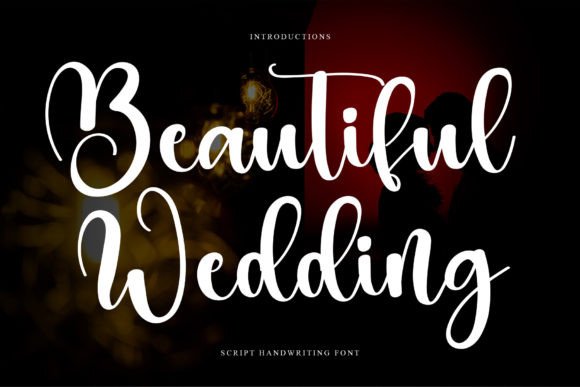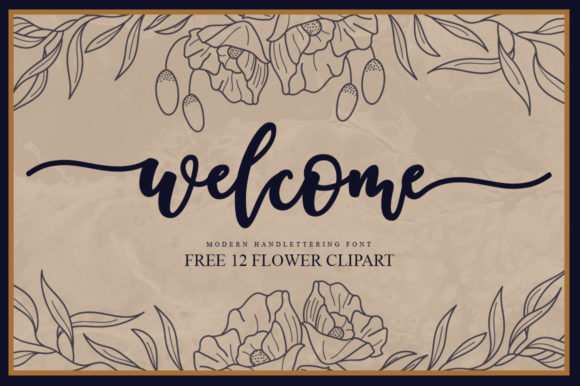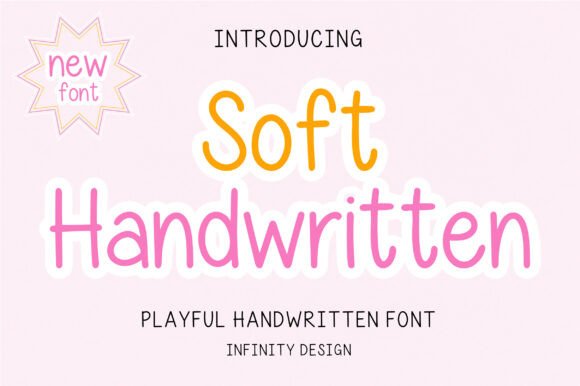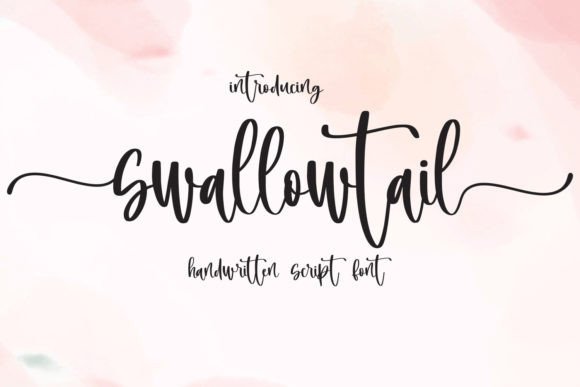
Why This Handwritten Font Feels Like a Friendly Wave
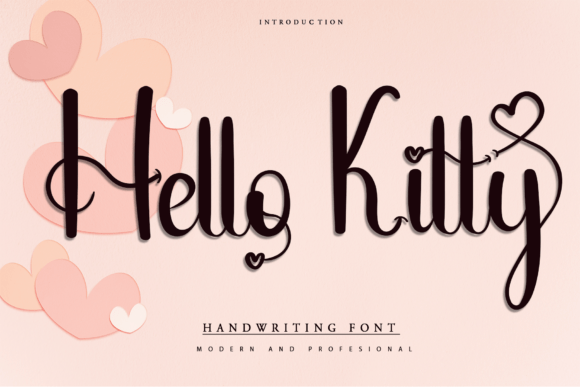
There is a specific kind of magic in typography that doesn't try too hard. In a digital landscape often cluttered with sharp, geometric sans-serifs and rigid corporate typefaces, we sometimes crave something that feels human. We want design elements that suggest a real hand held a real pen. This is exactly where the Hello Kitty typeface steps in. It is not merely a collection of letters; it is a gesture. As a simple handwritten font, it offers a raw, unpolished aesthetic that cuts through the noise. It captures the spirit of a quick note scribbled on a napkin or a heartfelt signature at the bottom of a letter. For designers, marketers, and business owners, this font serves as a bridge between digital precision and analog warmth, making it a surprisingly versatile tool in your creative arsenal.
The Anatomy of Approachability
Understanding the visual appeal of Hello Kitty requires looking at its structure. It doesn't adhere to the strict baseline grids of traditional serif or sans-serif typography. Instead, it dances along the baseline with a slight, intentional irregularity. This irregularity is the secret to its charm. It mimics the natural imperfections of human handwriting—the slight variation in letter height, the fluid connection between strokes, and the organic flow of ink. This creates an immediate sense of authenticity.
When a customer sees this font on a package or a website, it subconsciously signals accessibility. It says, "We are approachable." It removes the corporate barrier. This makes it a premium font choice for brands that want to cultivate a persona of friendliness, artisanal quality, or personal touch. Whether you are designing a logo for a local coffee shop or creating social media graphics for a lifestyle influencer, this typeface brings a down-to-earth vibe that rigid fonts simply cannot replicate.
Bridging the Gap Between Digital and Print
One of the most significant challenges in modern design is maintaining a consistent brand identity across multiple platforms. A brand needs to look good on a high-resolution Retina screen, but it also needs to look just as compelling on a printed flyer or a textured tote bag. Hello Kitty excels here because of its simplicity. Complex script fonts can often lose legibility when scaled down or printed on rough materials. However, this handwritten font maintains its character even when the medium changes.
For packaging design, this is a game-changer. Imagine a line of organic skincare products. Using a heavy, industrial font might clash with the natural ingredients. Using Hello Kitty, however, complements the product's ethos. It looks great printed on recycled paper labels, embossed on boxes, or screen-printed on glass bottles. The font’s natural feel aligns perfectly with products that emphasize craftsmanship, sustainability, or homemade quality. It turns standard packaging into a tactile experience that suggests care and attention to detail.
Practical Applications for Branding and Marketing
The versatility of this typeface extends far beyond simple stationery. Its wide spectrum of applications makes it a robust asset for various creative projects. It is particularly effective in editorial design and web design, where breaking up blocks of text is essential for keeping readers engaged.
Here are several practical ways to integrate this font into your workflow:
- Logo Design: Use it for wordmarks that need to feel personal. It works exceptionally well for boutique agencies, wedding planners, or artisanal food brands.
- Social Media Graphics: On platforms like Instagram or Pinterest, where users scroll quickly, a handwritten font can stop the thumb. It feels like a message from a friend rather than an advertisement.
- Invitations and Greeting Cards: This is the font's natural habitat. It adds an immediate sense of celebration and intimacy to event collateral.
- Blog Headers: If you run a lifestyle or travel blog, using Hello Kitty for your headers creates a cohesive, diary-like aesthetic.
- Merchandise: T-shirts, mugs, and posters often benefit from typography that feels like a doodle or a slogan. This font is perfect for apparel that aims for a casual, vintage vibe.
- Marketing Assets: From email newsletters to PDF lead magnets, using this font for call-to-action buttons or highlight quotes can increase engagement by drawing the reader's eye to the most important information.
Mastering the Art of Font Pairing
While Hello Kitty is a star player, it rarely works well in isolation for long-form content. Handwritten fonts, by nature, can become tiring to read in large blocks of text. This is where the strategy of font pairing becomes critical. To maintain a professional presentation and ensure readability, you should pair this expressive script font with something more grounded.
A clean sans serif font is usually the best companion. The geometric simplicity of a sans-serif balances the organic chaos of the handwritten style. For example, you might use Hello Kitty for your main headlines to grab attention, and then switch to a neutral sans-serif like Montserrat or Open Sans for the body text. This contrast creates a visual hierarchy that guides the reader's eye naturally through the content. It allows you to use the personality of the handwritten font without sacrificing the legibility of your message.
Alternatively, pairing it with a light serif font can create a sophisticated, editorial look suitable for fashion magazines or high-end boutique branding. The key is to test your pairings. Don't just look at them on your design software; print them out. View them on a mobile phone. Ensure the contrast is distinct enough that the styles don't compete, but rather complement one another.
Readability and Technical Considerations
When working with any creative font, readability is the ultimate metric of success. Hello Kitty is designed with legibility in mind, but context matters. Avoid using this typeface for critical legal disclaimers, long paragraphs of technical specifications, or navigation menus where clarity is paramount.
Instead, focus on its strengths in display contexts. Use it for "Pull Quotes" in articles, hero text on landing pages, or section breaks. When setting the text, pay attention to kerning (the space between letters). Handwritten fonts sometimes require manual adjustment to ensure letters don't collide awkwardly, especially in specific letter combinations like "ty" or "ly."
Furthermore, always review the included font styles. Many premium fonts come with alternates or ligatures—special characters that provide variations of letters to make the text look even more authentic. If the font includes these features, enable them. It prevents repetition in the letterforms, which is a common giveaway of digital typography. By utilizing these stylistic sets, your text will look less like a font and more like genuine handwriting.
Navigating Commercial Licensing
For designers and entrepreneurs, the aesthetic appeal of a font is only half the equation; the legal utility is the other half. Before incorporating Hello Kitty into a client's brand identity or a product for sale, you must verify the licensing terms.
Most high-quality fonts offer different licenses for different needs. A "Desktop" license usually covers print materials and static images. However, if you are using the font in a web design via CSS, you typically need a "Webfont" license. If you are creating a mobile application or embedding the font in software, an "App" or "ePub" license is often required.
Read the End User License Agreement (EULA) carefully. Some licenses restrict the number of "views" a website can have, while others are unlimited. If you are a freelancer creating design assets for a client, ensure you are purchasing the correct license type that allows the client to use the final product commercially. Respecting font licensing not only keeps you legally safe but also supports the type designers who pour hours of work into creating these high-quality tools.
Adding a Human Touch to Your Next Project
In an era of AI-generated content and automated design tools, the human element has become a luxury. Consumers are increasingly drawn to brands that feel real, imperfect, and relatable. Typography is one of the quickest ways to inject that humanity into your visual communication.
Choosing Hello Kitty