The Embroidery Machine Font: Soft Strokes, Strong Branding
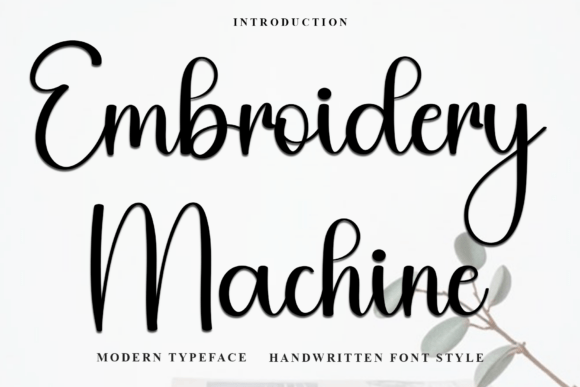
Every so often, a typeface crosses your screen that stops the endless scroll. It doesn’t shout for attention with jagged edges or aggressive geometry; instead, it draws you in with a quiet confidence. Embroidery Machine is exactly that kind of design asset. At first glance, you might categorize it simply as a script or handwritten font, but that fails to capture its essence. It possesses the fluidity of cursive but with a structural integrity that prevents it from looking messy. It feels personal, tactile, and undeniably human. For the designer or business owner trying to bridge the gap between digital polish and organic warmth, this typeface offers a compelling solution. It’s a premium font that manages to be both distinctive and versatile, making it a powerful tool in a crowded visual landscape.
A Typeface That Feels Like Craft
What makes Embroidery Machine visually appealing is its balance of softness and definition. We often see script fonts that are either too formal—reminiscent of wedding invitations—or too casual, looking like hurried notes. This typography sits in the sweet spot. The strokes have a natural weight variation that mimics the pressure of a hand holding a stylus, giving it an authentic, hand-lettered quality. This isn't a font that feels generated by an algorithm; it feels crafted.
This "soft touch" is crucial for modern branding. Consumers are increasingly wary of corporate sterility. They crave connection. When you use a typeface like this on your packaging or website, you are subconsciously signaling that there is a human behind the brand. It suggests care, attention to detail, and a personal stake in the product. Whether you are designing for a boutique bakery, a lifestyle blog, or a handmade craft shop, this font provides the visual warmth needed to build trust before a customer even reads the copy.
Practical Applications for Visual Impact
The versatility of Embroidery Machine is one of its strongest assets. Because it is designed with "distinctive strokes" that remain legible, it can be deployed across a wide variety of mediums without losing its character.
- Logo Design and Brand Identity: For small businesses, a logo needs to be memorable. This typeface works beautifully as a primary wordmark or a secondary accent font. Imagine a coffee shop using this for their masthead; it immediately evokes a cozy, artisanal atmosphere.
- Packaging Design: If you sell physical products, your packaging is your billboard. Using Embroidery Machine for product names or taglines on labels can elevate a generic box into a premium unboxing experience. It works exceptionally well on textured paper stocks or kraft materials.
- Social Media Graphics: In the fast-paced world of Instagram and Pinterest, stop-scrolling power is everything. This font pairs perfectly with clean sans-serif fonts to create high-contrast quotes, sale announcements, or story highlights. Its unique shape grabs the eye in a grid of standard text.
- Editorial and Web Design: While not suited for long-form body text (as is the case with most display fonts), it is perfect for pull quotes, headers, and chapter titles in blogs or digital magazines. It adds a layer of sophistication to editorial layouts that standard serif or sans-serif fonts often lack.
Strategic Pairing and Readability
While Embroidery Machine is a showstopper, typography is rarely a solo act. To get the most out of this font, you need to think about font pairing. Because this typeface has such a distinct personality, it requires a grounding partner.
A classic rule of thumb in design is to contrast styles. Since Embroidery Machine is fluid and decorative, pair it with a sturdy, geometric sans-serif font for your body copy. Fonts like Montserrat, Roboto, or even a clean modern serif like Lora can provide the necessary readability for longer paragraphs, allowing the Embroidery Machine to shine in the headlines. Avoid pairing it with other ornate or handwritten fonts, as this will create visual chaos and hurt your readability.
Speaking of readability, context is king. This font is designed for impact, not for instruction manuals. Use it for short bursts of text: a headline, a logo, a call to action. If you try to force it into small sizes or long sentences on a mobile screen, you risk frustrating your audience. Always test your designs on multiple devices—what looks elegant on a desktop monitor might become a blur on a smartphone.
Commercial Use and Licensing Considerations
For the entrepreneur or content creator, the legal side of typography is just as important as the aesthetic side. When investing in a commercial font like Embroidery Machine, it is vital to review the licensing agreement.
Most premium fonts come with a license that dictates how you can use them. Does the license cover digital ads? Does it cover physical merchandise (like t-shirts or mugs)? Is it a "desktop license" or a "web font license"?
- Check the Scope: Ensure your license covers your specific needs. If you are a graphic designer creating logos for clients, you may need a license that permits the transfer of the font files to your client, or you may need to instruct them to purchase their own copy.
- Platform Compatibility: The good news is that modern typefaces are built for versatility. Embroidery Machine is noted for its compatibility with various applications, including Windows and open-source platforms. This means you can use it in Adobe Illustrator, Photoshop, Canva, or Procreate without technical headaches.
Enhancing Your Design Workflow
Integrating a new typeface into your workflow should feel like adding a new tool to a toolbox, not a burden. One of the overlooked features of high-quality fonts is the inclusion of stylistic alternates and ligatures. Before you start a project, take a moment to explore the character map of Embroidery Machine.
You may find that certain letters connect differently when paired together, or that there are alternative versions of letters like 'g' or 't' that offer a different flair. Utilizing these OpenType features can make your typography look truly custom, rather than just typed out. This is the difference between a design that looks "finished" and one that looks "professional."
Ultimately, the goal of any design asset is to solve a visual problem. If your brand feels too cold, Embroidery Machine adds warmth. If your social media graphics feel generic, this font adds instant personality. It’s a versatile addition to any designer’s library, capable of transforming standard layouts into meaningful visual communications that resonate with a wide audience. Whether you are crafting a wedding invitation or launching a new product line, this typeface offers the tools to do it with style and grace.