Sugar Polka Dot: A Font That Sparks Joy and Creativity
Imagine walking into a classroom or a home office that feels instantly alive. The walls might be a neutral shade, but the bulletin board bursts with colorful, bubbly letters spelling out "Welcome" or "Dream Big." The moment you see it, your mood lifts. That’s the kind of energy a typeface like Sugar Polka Dot brings to any space. It’s not just a font; it’s a visual experience that transforms mundane text into something playful, engaging, and full of personality. For anyone looking to inject a dose of excitement into their creative projects, this display typeface offers a unique blend of whimsy and sophistication that’s hard to ignore.
What Exactly Is Sugar Polka Dot?
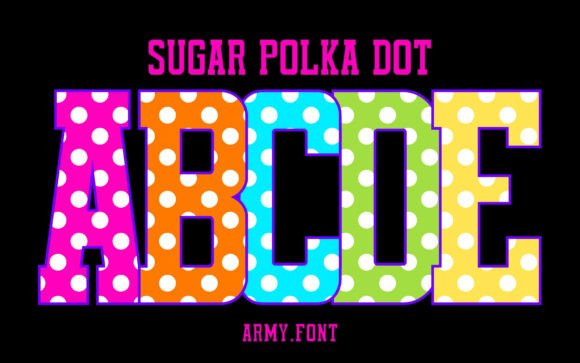
At its core, Sugar Polka Dot is a premium display font characterized by its charming, bubbly letterforms adorned with polka dot patterns. Think of it as the typographic equivalent of confetti or sprinkles—it’s designed to catch the eye and evoke a sense of fun. Unlike traditional serif or sans serif fonts that prioritize neutrality, this typeface leans into its decorative nature. The dots aren’t just random; they’re carefully placed to enhance each character’s shape without sacrificing legibility. It’s a modern typography choice that bridges the gap between playful and professional, making it versatile for various creative applications.
The font family typically includes multiple styles, such as a regular version and a color-enabled variant. It’s important to note that the color version—which features vibrant, multi-hued dots—works seamlessly in design programs like Adobe Photoshop and Illustrator. However, if you’re using other software, you might need to stick with the standard OTF files, which allow you to apply color manually through your design tools. This flexibility ensures that whether you’re a graphic designer or a small business owner dabbling in DIY branding, you can adapt the font to your workflow.
Where Can You Use This Playful Typeface?
The true value of a creative font like Sugar Polka Dot lies in its real-world applications. It’s not just for looking pretty; it’s about solving design challenges and enhancing communication. Here’s where it shines:
- Branding and Logo Design: If your brand identity is all about joy, creativity, or approachability, this font can become a cornerstone of your visual language. Imagine a bakery logo where the letters look like they’re dusted with sugar, or a children’s apparel brand that feels instantly friendly and trustworthy.
- Packaging and Merchandise: On product labels, hang tags, or shopping bags, Sugar Polka Dot adds a tactile, handmade quality. It tells customers that there’s care and personality behind the product, which can enhance perceived value.
- Social Media and Digital Content: In the fast-scrolling world of Instagram or Pinterest, a standout font can make your posts stop-worthy. Use it for quotes, announcements, or promotional graphics to boost engagement and brand recognition.
- Print Materials and Invitations: From birthday party invites to event posters, this font brings a celebratory vibe. It’s also great for editorial layouts in magazines or blogs that cover lifestyle, crafts, or family topics.
- Web Design and Marketing Assets: While it’s best used for headings or call-to-action buttons due to its decorative nature, incorporating it into website banners or email newsletters can create visual consistency and make your brand more memorable.
How Does It Improve Your Design and Branding?
Choosing the right typeface isn’t just about aesthetics; it’s a strategic decision that affects how your audience perceives you. Sugar Polka Dot, as a display font, excels in scenarios where you need to make an emotional impact. Its bubbly, rhythmic pattern stimulates creativity and liveliness, which can be particularly effective for brands targeting families, creatives, or anyone seeking a break from corporate rigidity. When used thoughtfully, it enhances brand recognition because its unique style is hard to forget.
But let’s talk practicality. Readability is a common concern with decorative fonts. Here, the key is context. Sugar Polka Dot isn’t meant for body text in a lengthy report. Instead, think of it for short, impactful phrases—like a headline on a poster or a slogan on a t-shirt. In these cases, its visual appeal actually aids readability by drawing the eye and conveying tone instantly. Pairing it with a clean sans serif font for supporting text can create a balanced hierarchy that guides the viewer’s attention without overwhelming them.
Tips for Integrating Sugar Polka Dot into Your Projects
Ready to experiment? Here are some actionable tips to get the most out of this font:
- Test Font Pairings Early: Don’t wait until the final design stage. Create mockups with Sugar Polka Dot alongside potential companion fonts. A simple, geometric sans serif often works well, providing contrast without competing for attention.
- Consider the Color Version Carefully: If you’re using the color-enabled OTF files in Photoshop or Illustrator, take advantage of the pre-set hues. However, if your project requires a specific color palette, use the standard version and apply colors manually to maintain brand consistency.
- Match Typography to Project Goals: Ask yourself: What emotion do I want to evoke? If the answer is “fun,” “nostalgic,” or “energetic,” you’re on the right track. If your project is more serious or minimalist, this might not be the best fit.
- Review Included Styles: Some versions of the font include alternates, ligatures, or multilingual support. Explore these features to add variety to your designs—like using a swash for a special initial letter in an invitation.
- Respect Licensing: As with any commercial font, ensure you understand the licensing terms. Whether you’re using it for personal projects or client work, proper licensing protects you legally and supports the font’s creators.
Beyond the Dots: Building a Cohesive Visual Language
Ultimately, a font like Sugar Polka Dot is a tool—a particularly expressive one. Its strength lies in its ability to inject personality and joy into design work. For content creators, it can make digital products feel more curated. For entrepreneurs, it can help a brand stand out in a crowded market. And for hobbyists, it can turn a simple craft project into something special. The key is to use it intentionally. Let it serve as the accent, the highlight, the element that brings a smile. When combined with thoughtful design choices, it doesn’t just make text readable; it makes it memorable.
So, whether you’re designing a logo for a new venture, creating social media graphics for a community event, or simply looking to refresh your teaching materials, consider how a touch of typographic whimsy might change the atmosphere. Sometimes, the right design choice isn’t just about looking good—it’s about feeling good, too.