Unlocking Playful Creativity with the Dotted Lines Font
There’s a specific kind of magic in designs that tap into childhood nostalgia while maintaining a crisp, professional edge. If you’ve been searching for a typeface that bridges the gap between "cute enough for a preschool classroom" and "polished enough for a commercial product," you likely know how hard that balance is to strike. Most "kid-friendly" fonts look cheap or chaotic, while professional typefaces often feel too sterile for whimsical projects. Enter Dotted Lines, a cheerful, modern children’s cartoon font that redefines what it means to be both educational and visually stunning. It isn’t just a set of letters; it’s a design asset that brings tactile, crafty energy to any canvas, digital or physical.
The Anatomy of a Playful Typeface
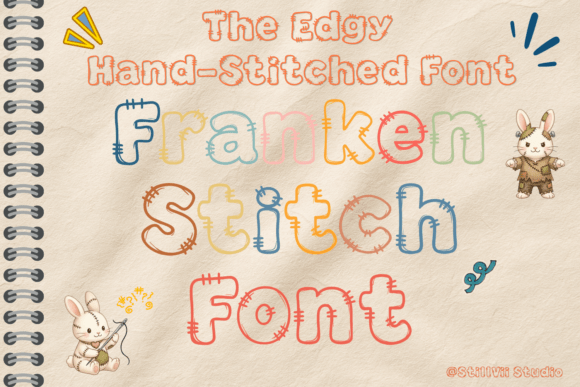
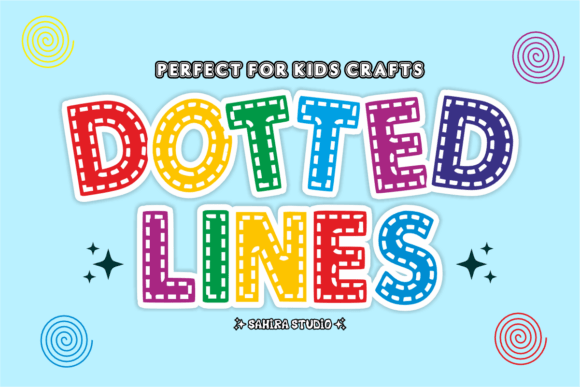
What makes a font feel "crafty"? Usually, it’s about texture and form. Dotted Lines achieves this through a brilliant construction method: thick, rounded shapes that form the outer boundary of the character, filled with inner paths made of perfectly spaced dashes. This creates the distinct illusion of stitching or perforation. It’s a subtle nod to the tactile world of sewing and crafts, which is incredibly effective for branding that targets families, DIY enthusiasts, or the education sector.
Unlike standard block letters, the uppercase characters in Dotted Lines are designed to be distinct and recognizable. Each letter is unique, aiding in early literacy recognition where children often confuse similar-looking characters. Furthermore, the availability of a color version—where every letter pops with a different bright hue—creates an instant rainbow effect. This eliminates the need for tedious manual coloring in design software, offering an "out-of-the-box" solution for vibrant social media graphics or party invitations. It functions as a premium font asset that saves time while maximizing visual impact.
From Branding to Merchandise: Real-World Applications
As a designer or business owner, you need fonts that work hard. Dotted Lines is categorized as a display font, meaning it shines brightest in headlines, logos, and short bursts of text rather than long-form body copy. Its versatility, however, is surprisingly broad. Because it includes full punctuation and special characters, you aren’t limited to just spelling out names; you can create complete sentences for marketing assets.
Consider the following practical applications for this typeface:
- Children’s Branding & Logo Design: If you are launching a toy brand, a daycare center, or a pediatric service, this font instantly communicates safety, fun, and approachability. It pairs exceptionally well with a clean sans serif font for body text.
- Sublimation and Merchandise: The "stitched" look translates beautifully to physical goods. Imagine this font on sublimated t-shirts, tote bags, or ceramic mugs. It mimics the look of embroidery without the high production cost, adding a handmade aesthetic to mass-produced items.
- DIY and Craft Files: For those selling on Etsy or running a Cricut/Silhouette business, Dotted Lines is a game-changer. The thick outlines and distinct shapes make it ideal for cutting files and vinyl decals. It cuts cleanly and weed easily, which is a technical necessity for crafters.
- Publishing and Education: From alphabet tracing posters to activity books and coloring books, the educational value is built-in. The "dotted" nature of the font encourages interaction, making it perfect for workbooks where children need to connect dots or trace letters.
Strategic Typography: Pairing and Readability
One of the biggest mistakes in modern typography is using a highly decorative font for everything. While Dotted Lines is legible for its style, it is still a creative font best reserved for impact. To achieve a professional presentation, you must master the art of font pairing.
Because Dotted Lines has a high "visual texture" (lots of dots and curves), it requires a calm partner. A geometric sans serif font like Montserrat or Poppins works beautifully as a counterbalance. The clean lines of the sans serif allow the quirky personality of Dotted Lines to take center stage without overwhelming the viewer. Avoid pairing it with a complex script font or a busy handwritten font, as this will create visual clutter and reduce readability.
When using Dotted Lines for packaging design, consider the background color. If you are using the monochrome version, a bright background helps the "stitching" effect pop. If using the color version, keep the background neutral (white, cream, or light grey) to prevent the rainbow hues from clashing with the environment. This attention to detail ensures your brand identity remains cohesive and recognizable across different media.
Enhancing Audience Engagement
Visual communication is about emotion. A serif font might evoke tradition and trust, but Dotted Lines evokes joy, creativity, and playfulness. For content creators and marketers, this emotional trigger is vital. Using this font in your Instagram Stories or YouTube thumbnails can significantly increase click-through rates among audiences looking for family-friendly or craft-related content.
It signals to the viewer that the content is accessible and fun. Whether you are designing a header for a blog post about "10 Rainy Day Activities" or creating a cover for a digital PDF guide on homeschooling, this typeface sets the mood immediately. It removes the stiffness often associated with corporate design assets and invites the audience to engage with a lighter heart.
Technical Considerations for Your Workflow
Before integrating any new typeface into your toolkit, a few practical checks are necessary. First, always review the licensing. If you are selling products featuring the font (like the t-shirts or mugs mentioned earlier), ensure you have the appropriate commercial font license. Most premium font providers offer distinct licenses for personal use (hobby) and commercial use (business).
Second, test the font at various sizes. Display fonts often lose their charm or become illegible when scaled down too small. Dotted Lines is designed for impact, so keep it large. Test it on both mobile and desktop screens if you are using it for web design, ensuring the "dots" don't blur on lower-resolution displays.
Finally, explore the full character set. Many designers only use A-Z, missing out on the special characters and punctuation. These extras can add flair to your designs—think ampersands in logo lockups or exclamation points in sale banners. By utilizing the full range of the font, you maximize your investment and keep your marketing assets looking fresh and varied.
Conclusion: Letting Imagination Lead
Dotted Lines is more than just a collection of vectors; it is a tool for storytelling. It captures the essence of childhood creativity—the joy of coloring, the excitement of a party, and the satisfaction of a craft project well done. For the entrepreneur, it offers a way to stand out in a crowded market of sterile, minimalist designs. For the hobbyist, it offers a way to bring professional-quality flair to personal projects.
Whether you are animating a logo, printing a birthday banner, or designing a line of children’s clothing, this font provides the versatility and visual punch needed to succeed. It proves that typography doesn't have to be serious to be effective. Sometimes, the best way to communicate is with a little bit of color, a dash of whimsy, and a line of perfectly spaced dots. Let your imagination run wild, and see where Dotted Lines takes your next creation.