Outline Bubble: A Friendly Font for Creative Projects
Sometimes, a project just needs a little personality. You're working on a children's party invitation, a fun social media graphic for a local bakery, or the logo for a new creative studio, and the standard corporate fonts feel completely out of place. You need something that communicates warmth, approachability, and a touch of playfulness without sacrificing clarity. This is the exact space where a display font like Outline Bubble thrives, offering a solution that feels both intentional and effortlessly cheerful.
Understanding Its Playful Character
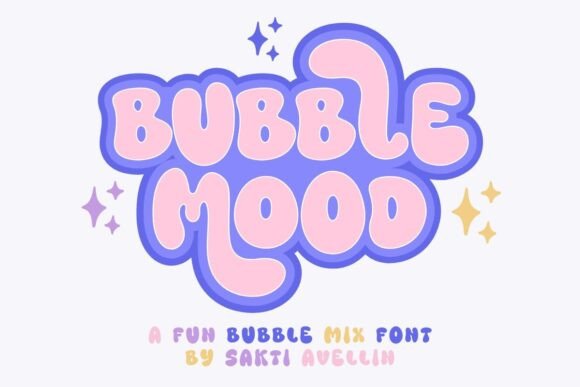
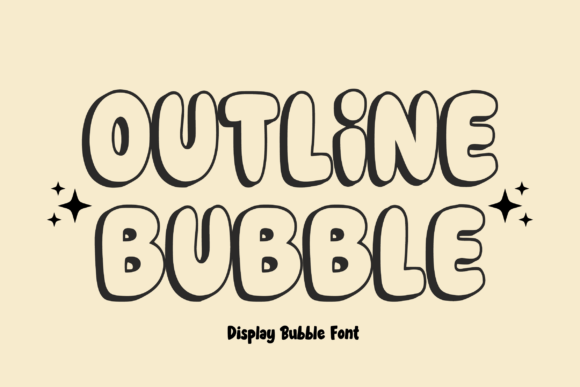
At its core, Outline Bubble is a display typeface. This means it's designed for impact at larger sizes, perfect for headlines, logos, and short bursts of text where you want to make an immediate impression. Its defining visual characteristic is its rounded, inflated letterforms, reminiscent of bubble letters you might have drawn as a kid, but refined into a cohesive and versatile digital font. The "outline" aspect gives it a unique edge; it can be used as a standalone line font or filled with color for a bolder effect, providing surprising flexibility for designers and creators.
The magic lies in its inherent friendliness. Unlike a stark, geometric sans serif font that can feel cold or overly technical, the soft curves and open counters of this typeface create an immediate sense of welcome. It doesn't take itself too seriously, which makes it an excellent tool for brands and projects aiming to connect with a broad audience, particularly in contexts involving children, family, food, entertainment, or creative services. It strikes a balance between being childish and being charmingly playful, a distinction that matters in professional design.
Where a Font Like This Truly Shines
Thinking about practical application is key. A font's value is measured by how well it serves a project's goals. For a small business owner creating packaging for homemade granola or artisan candles, Outline Bubble can instantly communicate a hands-on, artisanal quality. It suggests the product is made with care and a personal touch, which can be a powerful differentiator on a crowded shelf. Similarly, for a children's book author or a blogger focused on parenting and crafts, this typeface becomes a natural extension of the content's voice, making headers and quotes feel integrated and engaging.
Consider the world of social media. In a fast-scrolling environment, you have milliseconds to capture attention. A bold, friendly headline set in a creative font like this can stop the scroll. It's ideal for Instagram story graphics, YouTube thumbnails, or Facebook event banners where you need to convey excitement or a welcoming vibe. For presentations, swapping a default system font for something with this much character can transform dry slides into a more memorable and engaging narrative, keeping your audience interested.
- Brand Identity & Logo Design: Ideal for businesses targeting a family-oriented, youthful, or creative market. It can form the basis of a logo for a daycare, toy store, or digital creator.
- Packaging & Merchandise: Works beautifully on product labels, tote bags, stickers, and apparel, especially for items with a fun, casual, or handmade aesthetic.
- Digital & Print Marketing: Excellent for email newsletter headers, promotional flyers, sale banners, and event posters where a call-to-action needs to feel inviting, not aggressive.
- Editorial & Invitations: Brings a lively touch to magazine layouts, blog post graphics, birthday party invitations, and wedding save-the-dates for less formal ceremonies.
Practical Tips for Effective Use
Choosing the right font style is just the first step. How you use it determines its success. A primary consideration is readability. Because it's a display font, Outline Bubble is best suited for short, impactful text. Using it for long paragraphs of body copy would likely strain the reader's eyes. Its strength is in headlines, subheadings, and pull quotes. Pairing it wisely is crucial for a professional presentation. It often pairs well with a clean, simple sans serif font for body text. The contrast between the playful display font and the neutral body font creates visual hierarchy and ensures your main message is both eye-catching and easy to read.
Always test your font pairings in context. Place a headline in Outline Bubble next to your chosen body font on a mockup of your actual project—whether that's a website homepage, a product label, or a social media template. This helps you see how the fonts interact in terms of size, weight, and spacing. Pay attention to the overall mood the combination creates. Does it feel cohesive? Does it align with your brand's personality? This step is fundamental in modern typography and prevents mismatched elements that can confuse your audience.
Before finalizing any project, especially one for commercial use, it's wise to review the full character set and licensing of any premium font you download. Check for the inclusion of punctuation, numbers, and any special characters you might need. More importantly, understand the license. A font labeled for "personal use" cannot be used in a logo for a business that generates revenue. Ensure you have the correct commercial license for your intended use, whether it's for a client project, merchandise for sale, or marketing materials for your own company. This is a non-negotiable part of using design assets responsibly and protects you legally.
Building Visual Consistency and Connection
Ultimately, the goal of any design element, typography included, is to support your message and strengthen your brand's presence. A consistent and well-chosen typeface becomes a recognizable part of your visual identity. When your audience sees that specific friendly, rounded lettering across your website, your Instagram posts, and your product packaging, it builds a subconscious recognition. This consistency is a cornerstone of professional design and brand strategy, making your communications feel unified and trustworthy.
For content creators and marketers, this kind of font can directly influence engagement. A post that feels more human and approachable, thanks to its typography, is more likely to receive comments, shares, and clicks. It lowers the barrier between the brand and the consumer, fostering a sense of connection. Whether you're a hobbyist creating personalized gifts or an entrepreneur building a brand from the ground up, the fonts you select are silent ambassadors for your project's personality. Choosing one that aligns with your core message, like a friendly and accessible display font, is a strategic decision that pays dividends in how your work is perceived and remembered.