Pookpuy: The Whimsical Font That Brings Joy to Creative Projects
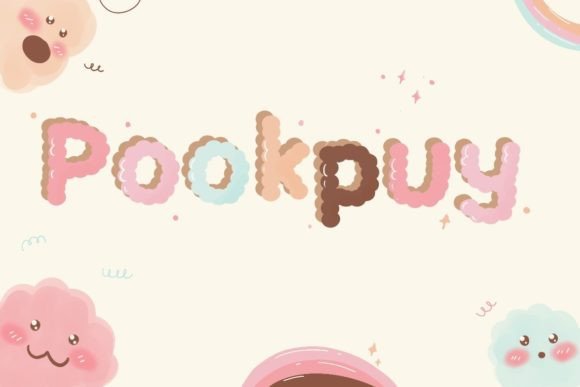
There's something magical about a typeface that can make you smile before you even read the words. That's exactly the feeling Pookpuy delivers—a handwritten font with a personality so warm and inviting that it practically winks at you from the screen. If you've been searching for a creative font that feels genuinely human without sacrificing polish, this might be the design asset you didn't know you needed.
What sets Pookpuy apart from other script fonts and handwritten typefaces? It's the balance between playfulness and legibility. Many whimsical fonts sacrifice readability for style, leaving designers frustrated when their audience can't actually decode the message. Pookpuy takes a different approach. Each letter carries that authentic, hand-drawn charm—slightly uneven strokes, gentle curves, and a natural rhythm that mimics real handwriting—while remaining clear enough for everything from logo design to editorial layouts.
Why Playful Typography Matters More Than You Think
We live in a visual culture where first impressions happen in milliseconds. A children's activity brand using stiff, corporate serif fonts sends a confusing message. A bakery trying to feel approachable with cold sans serif typography creates emotional distance. The fonts we choose communicate before a single word is processed, and that's where a typeface like Pookpuy earns its place in your design toolkit.
Think about the brands and products that feel genuinely friendly. Chances are, their visual identity leans into warmth—rounded shapes, soft colors, and typography that feels like it was made by a human hand. Pookpuy captures that energy without looking amateurish or sloppy. It walks the line between casual and crafted, which makes it surprisingly versatile across different creative applications.
For small business owners and entrepreneurs, this matters enormously. You're competing for attention in crowded markets, and visual consistency across your brand identity helps people remember you. When your packaging design, social media graphics, and website all share the same typographic voice, you build recognition faster than you might expect.
Real-World Applications That Actually Work
Let's get practical. Where does a font like Pookpuy genuinely shine, and where should you think twice before using it?
Children's products and education: This is the obvious starting point, and for good reason. Activity books, school project materials, kids' party invitations, classroom posters—Pookpuy was practically designed for this space. The playful letterforms feel age-appropriate without being cartoonish, which means parents and educators take the design seriously while kids respond to its energy.
Branding for family-oriented businesses: Daycares, pediatric offices, children's clothing lines, toy shops, and family-friendly restaurants can all benefit from a handwritten font that projects warmth. Pookpuy works beautifully in logo design for these niches, especially when paired with a clean sans serif font for body text.
Packaging and merchandise: Artisan food brands, handmade goods, craft supplies, and specialty products often need typography that signals "made with care." Pookpuy delivers that handmade quality at any scale, whether it's printed on a small label or stretched across a poster. The font maintains its character whether you're designing stickers, tote bags, or product boxes.
Digital content and social media: Instagram stories, Pinterest graphics, YouTube thumbnails, and blog headers all benefit from typefaces that stop the scroll. Pookpuy's distinctive personality helps content stand out in feeds dominated by generic fonts. It's particularly effective for quotes, call-to-action overlays, and branded templates that creators use repeatedly.
Invitations and event materials: Birthday parties, baby showers, school fundraisers, community events—these occasions call for typography that feels celebratory and personal. Pookpuy brings that hand-lettered invitation feel without requiring actual calligraphy skills.
Editorial and publishing: Magazine feature headers, book covers for middle-grade fiction, blog post titles, and newsletter designs can all use a whimsical display font to set a specific mood. Just remember to pair it thoughtfully with a more neutral typeface for longer reading passages.
Getting the Most From Your Font Choice
Choosing the right font style within a family matters just as much as choosing the family itself. Before committing to Pookpuy for a project, explore what's included. Does it offer multiple weights? Are there alternate characters or ligatures that let you customize the look? Understanding the full range of a premium font helps you use it more effectively and avoid the frustration of discovering limitations mid-project.
Font pairing is where the real magic happens. A whimsical handwritten font like Pookpuy works best when it has a partner. Try combining it with a simple geometric sans serif for modern projects, or pair it with a classic serif font for designs that need a touch of tradition. The contrast between a playful display font and a straightforward body typeface creates visual hierarchy that guides the reader's eye naturally.
Here's a practical tip: set your headline in Pookpuy, then use a neutral font like a clean sans serif for paragraphs and supporting text. This approach lets the handwritten font do what it does best—grab attention and set the mood—while ensuring your longer content stays readable at smaller sizes.
Readability considerations shouldn't be overlooked. Even the most beautiful script font becomes frustrating if people struggle to read it. Test Pookpuy at the actual size it will appear in your design. Check that individual letters are distinguishable from each other, especially in words with similar-looking characters. If you're using it for anything longer than a headline or short phrase, increase the letter spacing slightly to give each character breathing room.
Thinking About Commercial Use
If you're planning to use Pookpuy for client work, merchandise, or any commercial project, licensing deserves your attention. Most premium fonts come with specific terms that dictate how you can use them. Some licenses cover desktop use only, while others extend to web fonts, app embedding, and print-on-demand platforms. Read the details before you start designing, especially if your project involves selling products that feature the font prominently.
This isn't just about legal compliance—it's about professional practice. Clients appreciate designers who handle licensing properly, and it protects your own business from unexpected issues down the road. Many font marketplaces make licensing straightforward, offering clear tiers based on usage scope and audience size.
For content creators and bloggers, understanding whether a font license covers your website's web font usage is essential. Embedding a font on a high-traffic site may require a different license than using it in a one-off printed flyer. When in doubt, reach out to the font provider directly rather than making assumptions.
Building a Visual Identity That Feels Authentic
The best brand identities don't just look good—they feel honest. A typeface should reflect the actual personality of the business or project it represents. Pookpuy works beautifully for brands that genuinely want to communicate approachability, creativity, and warmth. It's less effective for projects that need to project authority, luxury, or technical precision.
That distinction matters. Choosing typography based on what looks trendy or impressive rather than what actually fits your audience creates a disconnect that people sense instinctively. A financial advisor using a whimsical handwritten font might confuse potential clients. A children's art studio using a rigid corporate typeface might feel cold and unwelcoming. The goal is alignment between your visual communication and your actual identity.
Before settling on any typeface—including Pookpuy—ask yourself a few honest questions. Who is my audience? What emotion should this design evoke? Where will this typography appear most often? Does it work across all the formats I need, from small mobile screens to large printed materials? Taking fifteen minutes to think through these questions saves hours of revision later.
Modern typography gives us more choices than ever, which is both a gift and a challenge. The sheer volume of available fonts can lead to decision fatigue or constant switching between typefaces that never quite feel right. Finding a few reliable fonts that match your aesthetic—and learning to use them well—serves you far better than chasing novelty with every new project.
Pookpuy represents one of those reliable choices for designers and creators who need a handwritten font with genuine personality. It doesn't try to be everything. Instead, it does what it promises—brings a playful, authentic voice to projects that benefit from warmth and whimsy. Whether you're designing a school fundraiser poster, building a brand identity for a children's product, or creating social media templates that feel personal and approachable, having a typeface like this in your collection gives you options that generic fonts simply can't match.
The next time you start a project that calls for something friendly and human, give Pookpuy a test drive. Set a few headlines, experiment with pairings, and see how it feels in context. Sometimes the right font doesn't just complete a design—it transforms it entirely.