Jamila: Unlocking Old-World Mystery for Modern Design
There is a specific kind of aesthetic gravity that pulls you in when you encounter a typeface that feels truly ancient, yet meticulously crafted for modern screens. You know the feeling—it’s the difference between a font that looks like a digital approximation of history and one that feels like it was pulled directly from a medieval manuscript or a royal decree. This is the realm of Jamila. For designers, small business owners, and creatives looking to infuse their projects with a sense of high fantasy, gothic grandeur, or vintage luxury, this ornate Blackletter typeface offers a visual language that is both dramatic and deeply resonant. It isn't just about making text readable; it’s about making text feel like an event.
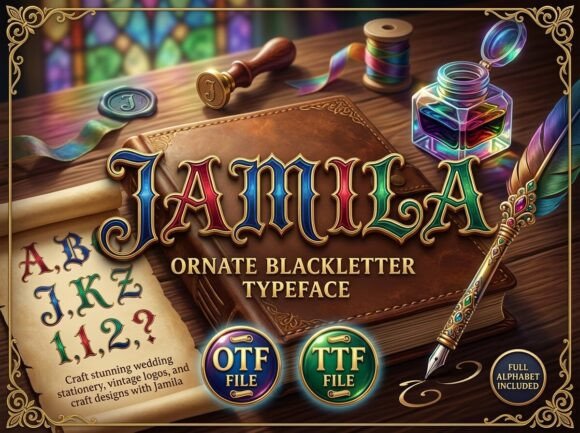
When you are building a brand or designing a specific asset, the typography does the heavy lifting of setting the tone before a single word is read. A sans serif font might scream modern efficiency, and a standard serif might whisper traditional reliability, but a display font like Jamila shouts with the voice of ancient lore. Characterized by its gothic structure and rich, jewel-toned metallic textures, this font is the definitive choice for projects that demand a second look. If you have ever struggled to find a typeface that captures the essence of "old-world mystery," you likely understand why Blackletter fonts are seeing a resurgence, particularly in niches that value artisanal quality and storytelling.
The Visual Weight of Gothic Elegance
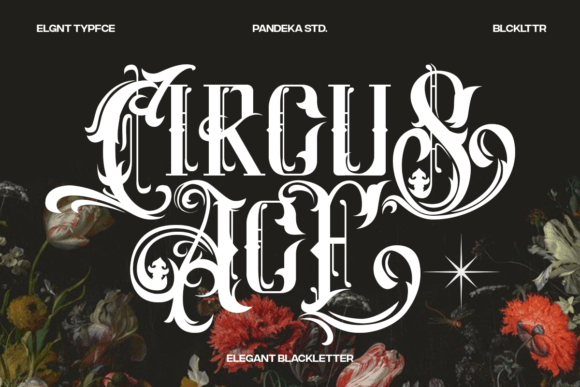
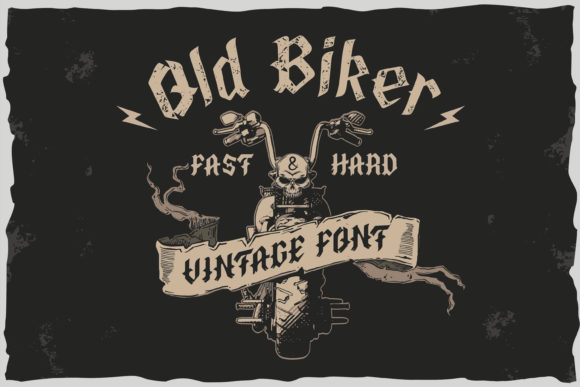
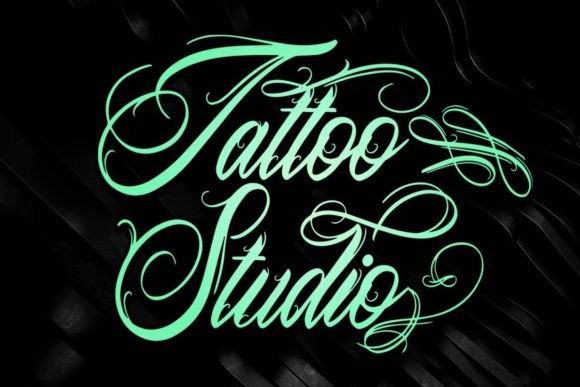
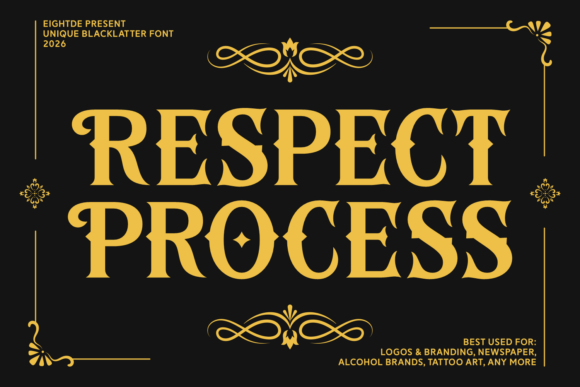
What makes Jamila visually appealing isn't just its complexity; it is the balance between ornamentation and structure. Blackletter typography, historically associated with manuscripts and early printing, can sometimes feel heavy or difficult to read in digital contexts. However, Jamila manages to retain that intricate, hand-crafted aesthetic while maintaining a level of clarity that is essential for logo design and packaging design. The "jewel-toned metallic textures" mentioned in its description are key here. When you pair this font with a dark, moody background or a textured paper stock, the letterforms don't just sit on the surface; they look embedded in the material.
For a creative entrepreneur or a brand strategist, this visual weight is a tool. It implies substance, history, and premium value. Think about the psychology of a customer looking at a shelf of luxury perfumes or a collection of fantasy novels. The typography acts as a shortcut to quality. A thin, wispy script might get lost on a shelf, but a bold, gothic display font commands attention. Jamila works exceptionally well in scenarios where you want to convey a sense of royalty or timelessness. It bridges the gap between vintage logos and contemporary editorial design, allowing you to create a brand identity that feels established and authoritative, even if the business is brand new.
Practical Applications: From Wedding Stationery to Fantasy Worlds
The versatility of a font like Jamila lies in its ability to adapt to different themes while maintaining its core personality. It is a premium font that excels in specific scenarios where atmosphere is paramount. If you are a small business owner in the event planning space, particularly focusing on weddings, you know how crowded the market is. Using Jamila for stunning wedding stationery can immediately set your designs apart. Imagine a suite of invitations for a gothic, winter, or medieval-themed wedding. The ornate letterforms create an immediate sense of occasion, transforming a simple card into a keepsake.
Beyond the realm of nuptials, the font finds a natural home in the world of fantasy and entertainment. For publishers and authors designing fantasy book covers, Jamila provides that instant genre signaling. Readers of high fantasy look for specific visual cues, and the Blackletter style is one of the strongest. It suggests magic systems, ancient prophecies, and royal lineages. However, you don't need to be writing a novel to use this aesthetic. Content creators and streamers in the gaming niche can use Jamila for channel headers, stream overlays, or merchandise to build a cohesive, immersive brand world.
Here are a few practical ways to integrate this typeface into your next project:
- Luxury Branding: Use Jamila for monograms or wordmarks for high-end products like bespoke jewelry, artisanal spirits, or luxury perfumes. The metallic textures implied by the font style translate beautifully to foil stamping on business cards.
- Packaging Design: For products that rely on "artisanal" or "heritage" claims—such as craft beers, handmade chocolates, or apothecary goods—this font adds an immediate layer of authenticity and craft.
- Social Media Graphics: While not suitable for body copy, Jamila is perfect for headers and pull quotes on Instagram or Pinterest. It stops the scroll because it looks different from the standard sans-serif and script fonts that dominate the feed.
- Web Design: Use it sparingly on landing pages to highlight a specific word or a hero headline. Pairing it with a clean, modern sans-serif can create a striking contrast between "heritage" and "modern."
Strategic Pairings and Readability
One of the most common mistakes designers make with ornate display fonts is trying to use them for everything. Jamila is a display font, meaning it is designed for impact at larger sizes. It is not a workhorse for body text. If you try to write a paragraph in an intricate Blackletter style, you will compromise readability, and your audience will disengage. The goal is to use Jamila for the "shout"—the headlines, the logos, the main event—and pair it with a typeface that handles the "whisper."
For font pairing, the rule of contrast is your best friend. Because Jamila has a complex, gothic structure, it pairs exceptionally well with clean, geometric sans-serifs. The simplicity of a font like Montserrat or Lato allows the ornate details of Jamila to shine without visual competition. Alternatively, for a more vintage or academic look, you could pair it with a transitional serif font like Garamond or Baskerville. This combination works well for editorial layouts or blog headers where you want to maintain a classic, authoritative feel.
When testing your pairings, pay attention to x-heights and weight. You want the two fonts to feel like they belong in the same room, even if they are dressed differently. A heavy, bold Jamila headline might need a medium-weight sans-serif body text to keep the page from feeling too dark or heavy. Always test your typography on different devices. A font that looks majestic on a 27-inch monitor might become an unreadable blob on a mobile screen if the details are too fine. Fortunately, well-crafted premium fonts often include different styles or weights that allow you to simplify the letterforms slightly for smaller applications while retaining the brand essence.
Licensing and Long-Term Brand Assets
When investing in a creative font like Jamila, it is crucial to consider the practicalities of commercial licensing. As a designer or business owner, you need to ensure that the license covers your specific usage. If you are creating a logo for a client, does the license allow for that? If you are selling merchandise (like t-shirts or mugs) featuring the font, you often need an extended license that covers physical goods production. Standard desktop licenses usually cover printing and static images, but if you are moving into digital products like app interfaces or website templates where the font files are embedded, you need to verify the terms.
Think of a font purchase not just as buying a file, but as securing a design asset that contributes to your visual consistency. When you use a distinctive typeface like Jamila across your marketing assets, you create a thread that ties your brand together. From your website headers to your invoice footers (perhaps used as a watermark), consistent typography builds brand recognition. It tells your audience that you care about the details, which translates to a perception of quality in your actual products or services.
Final Thoughts on Atmosphere and Application
Choosing a font is rarely just about aesthetics; it is about communication. Jamila communicates a very specific frequency: it speaks of mystery, luxury, history, and fantasy. If your brand or project aligns with these themes, this typeface can do a lot of the heavy lifting for you. It creates an atmosphere that is hard to replicate with standard system fonts. Whether you are a hobbyist creating a Dungeons & Dragons campaign guide, a marketer designing a seasonal campaign for a luxury brand, or a designer crafting a bespoke identity for a client, the tool you choose defines the boundaries of your creativity.
Don't be afraid to experiment with color and texture when using Jamila. Because of its gothic roots, it often looks best with high-contrast color palettes—think gold on black, silver on deep burgundy, or white on slate grey. It is a font that invites you to play with modern typography techniques, such as overlaying textures or using it as a mask for images. Ultimately, the value of a font like this lies in its ability to transport the viewer. In a digital landscape that is often sterile and uniform, offering a portal into a world of ornate beauty and ancient mystery is a powerful way to make your mark.