Finch: Command Attention with Gothic Precision
There’s a certain kind of presence that doesn’t just ask to be noticed—it demands it. Some design elements carry an inherent weight, a gravity that pulls the eye and holds it. When you’re building a brand or crafting a visual identity, finding that element can feel like striking gold. It’s not about being the loudest in the room, but about having a distinct, unshakeable character. That’s the space Finch inhabits. This isn’t merely a set of letters; it’s a declaration, forged in the digital age but echoing with the gravitas of medieval script.
A Typeface Forged in History, Sharpened for Today
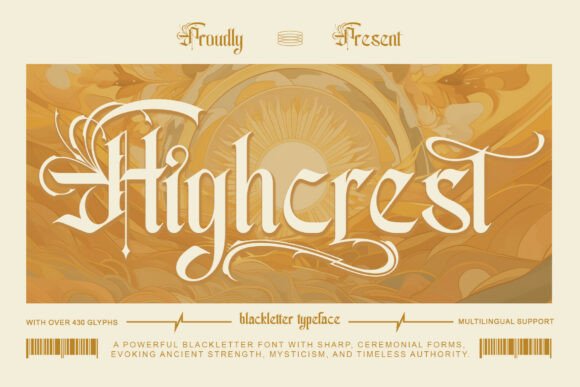
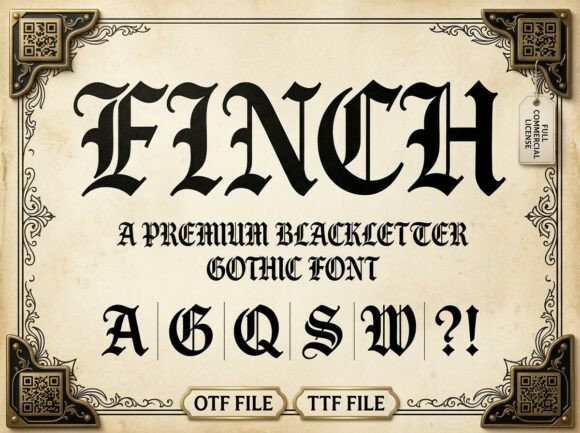
At its core, Finch is a masterful reimagining of traditional Blackletter calligraphy. Think of the intricate, dense letterforms found in old illuminated manuscripts or on the title pages of heavy, leather-bound tomes. Now, strip away the soft, ink-bleed edges and replace them with razor-sharp precision. That’s the genius of Finch. It retains the dramatic vertical strokes and intricate diamond-shaped terminals of its ancestors, but the execution is aggressively modern. The result is a premium Gothic font that feels both ancient and immediate, a perfect balance between medieval heritage and contemporary edge.
What makes it visually captivating is this duality. The letters have a sense of history and weight, yet they sit on a page or screen with crisp, clean legibility. The aggressive flair isn’t chaotic; it’s controlled and purposeful. Each stroke is designed to create a sense of dark elegance and undisputed authority. For a designer, this means you can inject a project with a powerful, “old-world” aesthetic without sacrificing the clarity needed for modern layouts and digital viewing.
Where Dark Elegance Meets Commercial Impact
The true test of a creative font is its versatility in real-world applications. Finch isn’t a niche novelty; it’s a workhorse for specific, high-impact projects. Its personality shines brightest where a bold, historical presence is needed to cut through the noise.
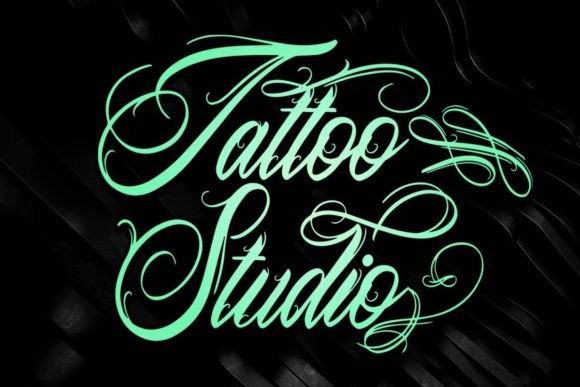
Branding & Logo Design: For businesses that want to project strength, heritage, or a touch of rebellion, Finch is a natural fit. Imagine it stamped on the side of a craft brewery’s tap handle, evoking centuries-old brewing traditions. Picture it as the cornerstone of a tattoo studio’s logo, promising artistry with a classic foundation. It’s the kind of typeface that helps a streetwear label build an identity around gritty, urban mythology. The font itself becomes a key part of the brand story.
Packaging & Merchandise: On a shelf crowded with minimalist sans-serifs and playful scripts, a product using Finch stands out immediately. It’s ideal for vintage-inspired label design on spirits, hot sauces, or gourmet goods. The letterforms command attention on merchandise like t-shirts, hats, and posters, creating instantly recognizable graphics for bands, artists, or esports teams.
Editorial & Digital Layouts: While it’s a display font at heart, Finch can be used strategically in editorial design. Think of a magazine cover for a fantasy genre publication, a chapter title in a gothic novel, or a cinematic title card for a video project. In web design, it can create a stunning hero section for a site promoting historical tours, metal music festivals, or a dark-themed restaurant. It adds a layer of thematic depth that standard web fonts simply can’t provide.
Practical Guidance for Using a Powerful Font
Working with a font as distinctive as Finch requires a thoughtful approach. Its strength is its personality, so using it effectively means understanding its role in your design ecosystem.
Font Pairing is Everything: Finch will dominate any layout it’s in. Therefore, it pairs best with clean, neutral companions. A simple, geometric sans-serif font for body text provides a necessary counterbalance, ensuring readability. A classic serif font can also work for a more traditional, layered feel. The key is to let Finch be the headline act and use your supporting fonts for the supporting vocals.
Prioritize Readability: As a display font, Finch is engineered for impact in headlines, logos, and short bursts of text. Avoid setting long paragraphs in it. Its intricate details, while beautiful, can reduce legibility at small sizes or in dense blocks of copy. Use it where its dramatic strokes can be appreciated: large headings, pull quotes, or single-word statements.
Match the Mood to the Goal: Before you commit, ask yourself if Finch’s personality aligns with your project’s goals. It communicates authority, history, edge, and a hint of darkness. It’s perfect for a heavy metal album art project or branding for a fantasy game. It might be less suitable for a daycare center or a financial planning brochure. Understanding this alignment ensures your typography reinforces your message rather than confusing it.
Explore the Included Styles: A good premium font often comes with more than one weight or style. Check if Finch includes options like a regular, bold, or italic variant. These variations can give you more flexibility within your design, allowing you to create hierarchy and emphasis while maintaining a consistent typographic voice.
Beyond the Glyphs: Building a Cohesive Visual Language
Choosing a typeface like Finch is a strategic decision that impacts your entire visual communication. When used consistently, it becomes a powerful pillar of your brand identity. Customers begin to associate that distinctive look with your business, whether they see it on a social media graphic, a product package, or a website header. This consistency builds recognition and professionalism.
Think of your font selection as part of a larger toolkit of design assets. Finch doesn’t work in isolation. It works alongside your color palette, imagery, and layout style. Its strong historical character might influence you to use textured backgrounds, vintage color palettes, or specific photography styles that complement its Gothic roots. This holistic approach creates a more immersive and believable brand world.
Finally, always consider the practicalities of licensing. If you’re using Finch for a commercial project—like client work, merchandise for sale, or a business logo—ensure you have the appropriate commercial license. This protects both you and the font’s creator and is a standard part of professional design practice. It’s a small step that ensures your powerful new asset is used correctly from day one.