Fast Blaze: The Edgy Urban Font for Bold Branding
There's a moment in every design project where the typeface either whispers politely or shouts with conviction. If your work lives in the world of streetwear, music, or counterculture aesthetics, you need a voice that doesn't hold back. That's where a typeface like Fast Blaze earns its place in your toolkit—a display font built for impact, not subtlety. Its sharp geometric edges and heavy weight command attention the instant they hit the page, making it a go-to choice when the goal is raw energy over refined elegance.
Understanding the Fast Blaze Aesthetic
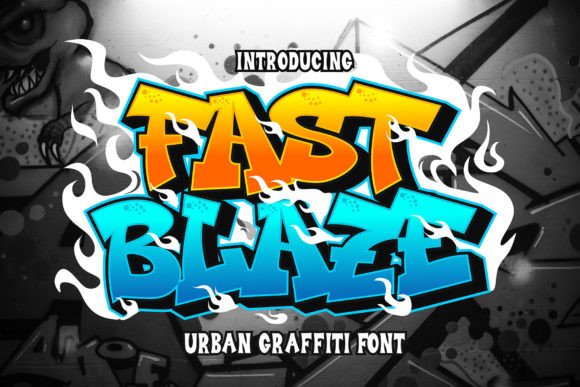
Fast Blaze isn't trying to be everything to everyone, and that's precisely its strength. This is a typeface rooted in urban graffiti culture and the visual language of heavy music—think death metal album covers, punk show flyers, and the kind of branding that doesn't apologize for being loud. The letterforms feature angular cuts, aggressive terminals, and a condensed structure that packs visual density into tight spaces. Each character feels like it was carved rather than drawn, giving the font a tactile, almost industrial quality.
What separates a well-crafted display font from a gimmicky one is intentionality. Fast Blaze maintains consistent proportions across its character set, which means it doesn't fall apart when you set longer headlines or need to spell out brand names with unusual letter combinations. The spacing has been considered, not just thrown together. For designers who've been burned by trendy fonts that look great in a preview but fall apart in production, this kind of craftsmanship matters.
Where Fast Blaze Actually Works in Real Projects
The most common mistake with bold, character-driven fonts is using them everywhere. Fast Blaze thrives in specific contexts where its personality aligns with the message. Here's where it genuinely earns its keep:
- Music and entertainment branding — Album covers, concert posters, festival lineups, and band merchandise. The font's aggressive geometry naturally resonates with metal, punk, hip-hop, and electronic music communities.
- Streetwear and apparel — T-shirt graphics, hoodie prints, hat embroidery mockups, and clothing tags. The condensed, high-impact lettering translates well to fabric and screen printing.
- Event promotion — Flyers, social media announcements, and digital ads for underground events, pop-up shops, or launch parties where the vibe skews edgy and urban.
- Logo design for niche brands — Skate companies, tattoo studios, independent record labels, craft breweries with a rebellious streak, or any brand that wants to signal counter-culture credibility.
- Social media graphics — Instagram stories, YouTube thumbnails, TikTok overlays, and podcast artwork where you have roughly two seconds to stop someone from scrolling.
- Packaging design — Limited-edition product drops, specialty packaging, or any consumer product targeting a younger, style-conscious demographic.
- Editorial layouts — Magazine headers, zine typography, blog post titles, and pull quotes that need to break through visual noise.
The key principle is matching the font's energy to the audience's expectations. A death metal festival poster and a children's book cover require fundamentally different typographic voices. Fast Blaze speaks fluently to audiences who respond to intensity, rebellion, and visual boldness.
Pairing Fast Blaze with Other Typefaces
No display font should work alone. Even the most striking headline needs supporting typography to handle body copy, captions, and smaller interface text. The real skill in typography isn't choosing one great font—it's building a system where multiple fonts coexist without competing.
Fast Blaze pairs best with clean, neutral companions. A simple sans serif font like a geometric or grotesque style gives the eye a place to rest after the headline does its job. Think of it as the difference between a guitar solo and the rhythm section—the solo grabs attention, but the rhythm section holds everything together.
For body text, prioritize readability above all else. A highly legible sans serif at a comfortable size creates contrast with Fast Blaze's condensed, angular forms. If your project calls for a more editorial feel, a classic serif font can work as a secondary typeface, especially in layouts where you're mixing long-form writing with bold graphic headers.
Avoid pairing Fast Blaze with other decorative or script fonts. Two competing personalities in the same layout create visual chaos rather than visual interest. The goal is hierarchy—clear, intentional hierarchy where every typographic element has a defined role.
Practical Tips for Getting the Most Out of Bold Display Fonts
Working with a premium font like Fast Blaze means understanding its strengths and limitations. Here are some observations from real-world use:
- Size matters more than you think. Display fonts are designed for large-scale use. Setting Fast Blaze at 12 points for paragraph text defeats its purpose. Let it breathe at headline sizes where its angular details and sharp edges actually register.
- Test across formats before committing. A font that looks incredible on a 27-inch monitor might lose definition when printed on textured paper or viewed on a phone screen. Always test your typography in the actual medium where it will live.
- Check the full character set. Before you start a project, open a character map and review every glyph. Quality creative fonts often include alternate characters, ligatures, or stylistic variations that can add variety to your designs without switching typefaces.
- Respect the licensing. If you're using Fast Blaze for commercial work—client projects, merchandise for sale, paid marketing materials—make sure your license covers that use. Most premium fonts offer different tiers for personal and commercial use, and understanding the terms upfront prevents legal headaches later.
- Consider letter-spacing for different contexts. Tight tracking works for large display headlines, but if you're setting Fast Blaze at a mid-range size for a subheading or poster tagline, slightly increased letter-spacing can improve clarity without sacrificing the font's aggressive character.
Building Brand Identity with Character-Driven Typography
A brand identity is more than a logo and a color palette. The typefaces you choose communicate personality before anyone reads a single word. When a potential customer sees angular, aggressive lettering on a product, they make instant assumptions about the brand's values, audience, and positioning. That's not a flaw in human perception—it's how visual communication actually works.
Fast Blaze works as a cornerstone for brands that want to project confidence, edge, and authenticity. It tells the viewer that this brand isn't playing it safe, isn't trying to appeal to everyone, and isn't interested in blending into the background. For independent creators, small business owners building a niche audience, or designers crafting identities for counterculture brands, that kind of instant recognition is invaluable.
The trick is consistency. Once you commit to a typeface as part of your brand identity, use it consistently across every touchpoint—social media graphics, website headers, packaging, printed materials, and marketing assets. Inconsistent typography fragments brand recognition. Consistent typography builds it over time, creating associations in your audience's mind that become increasingly difficult for competitors to replicate.
Whether you're designing a one-off concert poster or building a complete visual system for a new streetwear label, the fonts you choose shape how people perceive your work. Fast Blaze gives you a tool built specifically for projects that demand to be noticed—not by everyone, but by the right people. And in design, reaching the right audience with the right visual language is everything.