Crafting Chaos: The Visual Power of Ransom Note Magazine
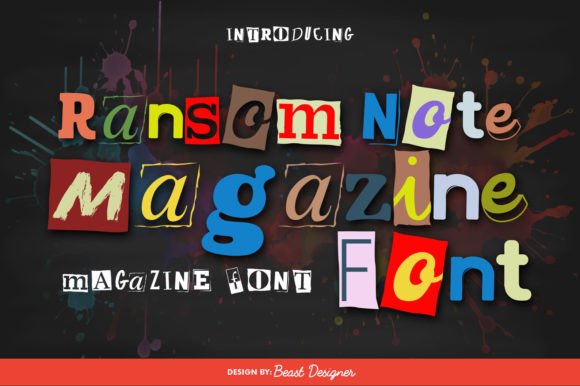
Sometimes, the most compelling designs aren't found in polished perfection but in deliberate, curated imperfection. There's a raw energy in letters that look hand-cut, mismatched, and pasted together—a visual language that screams authenticity and rebellion. This is the world the Ransom Note Magazine font inhabits, a typeface that doesn't just spell words but sculpts an attitude. It's the visual equivalent of a punk rock anthem or a zine stapled together in a basement, offering a potent tool for designers and creators who want to break free from the sterile uniformity of standard corporate fonts. For anyone building a brand with personality, crafting a poster that demands attention, or designing packaging that tells a story, understanding how to wield this distinctive typeface is a skill worth having.
More Than a Gimmick: The Strategic Use of a Display Font
At first glance, a font like Ransom Note Magazine might seem limited to novelty projects. Its strength, however, lies in its role as a display font. This isn't for body copy in a lengthy report; it's for headlines, logos, and key callouts where impact is everything. The varied letter shapes and sizes create a visual hierarchy all on their own, guiding the viewer's eye in a dynamic, almost musical way. This characteristic makes it invaluable for editorial design—think magazine covers, feature article headers, or album artwork. It immediately sets a tone of intrigue, vintage rebellion, or handmade craftsmanship.
When integrating it into a brand identity, the key is intentionality. A small-batch coffee roaster might use it for their logo to emphasize their artisanal, back-to-basics approach. An indie bookstore could employ it for window signage and tote bags, signaling a curated, non-corporate experience. For a creative font like this, context is everything. Pairing it with a clean, minimalist sans serif font for body text creates a beautiful tension, allowing the headline to scream while the supporting text speaks clearly. This font pairing strategy is crucial for maintaining professional presentation and readability across a project.
From Screen to Shelf: Practical Applications That Convert
The true test of any design asset is its versatility across mediums. The Ransom Note Magazine font excels in digital spaces where scroll-stopping power is essential. Imagine a series of social media graphics for a podcast about unsolved mysteries or a clothing brand with a vintage aesthetic. The font's inherent chaos cuts through the noise of a curated feed, boosting audience engagement. It translates that same energy to web design, perfect for a hero section headline on a website for a film production company or an underground music festival.
Beyond the screen, its applications in packaging design are profound. For a hot sauce brand with a "dangerously good" tagline, using this font on the label instantly communicates heat and intensity. In print materials, it transforms a standard event poster into a collectible piece of art, ideal for gallery openings, theater productions, or community markets. For merchandise like t-shirts, stickers, and hats, the font's handmade quality feels personal and exclusive, turning customers into brand ambassadors. Even in formal contexts like invitations for a themed party or a creative workshop, it sets the perfect expectant mood.
Making It Work: Font Selection and Licensing Fundamentals
Not all "ransom note" fonts are created equal. When selecting a premium font, examine the full character set. A quality typeface will include not just uppercase and lowercase letters but also numbers, punctuation, and essential symbols. Look for stylistic alternates—different versions of the same letter—which allow for even greater customization and a more authentic, non-repetitive cut-and-paste look. This is what separates a cheap novelty font from a versatile commercial font built for serious projects.
Before you finalize a purchase, scrutinize the licensing. Ensure the license covers your intended use, whether it's for a single client project, unlimited print runs, or digital products like templates you plan to sell. Understanding these terms upfront prevents legal headaches later and is a mark of a professional workflow. Always test the font in your specific design environment. Check its clarity at different sizes, especially for potential web design applications where screen rendering matters. A font that looks great in a design program might lose its sharpness on a low-resolution mobile screen.
Balancing Rebellion with Restraint
The greatest challenge with a font this expressive is knowing when to hold back. Its power diminishes if overused. A single headline in Ransom Note Magazine, supported by a complementary serif font or sans serif font for subtitles and body text, will always be more effective than an entire page set in it. Think of it as a spice—a dash of paprika adds flavor and color; the whole jar ruins the dish.
Consider the psychological message. The chaotic, retro aesthetic works brilliantly for brands and projects that value individuality, nostalgia, or counter-culture sensibilities. It might not be the right fit for a law firm or a luxury watch brand, but it's perfect for a vinyl record shop, an independent publisher, or a marketing campaign targeting a youth audience that values authenticity. The goal is visual consistency; every element should feel like it belongs to the same story. By using this creative font strategically, you're not just choosing letters—you're adopting a persona, one that can significantly enhance brand recognition and create a memorable, tactile connection with your audience.