Booom: The Display Typeface That Packs a Punch
Every designer, entrepreneur, and content creator eventually hits a wall where standard typography just doesn't cut it. You are working on a project that demands energy—maybe a new logo for a streetwear brand, a header for a children’s activity book, or graphics for a high-energy social media campaign—and the standard sans-serif feels too corporate, while a script font feels too delicate. You need something with volume. You need something that feels like it jumps off the page. That is exactly where Booom enters the conversation. It isn't just a typeface; it is a statement piece designed to inject immediate personality and kinetic energy into your visual communication.
Why Your Visual Identity Needs a "WOW" Factor
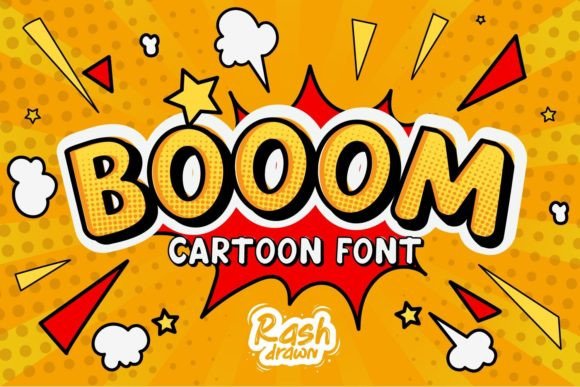
In the crowded digital and physical marketplace, grabbing attention is the first hurdle, but holding it is the real challenge. Many brands make the mistake of playing it safe with typography, resulting in designs that blend into the background noise. However, visual communication relies heavily on the psychological impact of shapes and forms. Booom is crafted specifically to disrupt the monotony. It carries the DNA of classic comic book lettering and the boldness of superhero iconography, yet it is refined enough for modern commercial use.
When we talk about the "WOW" factor, we aren't just referring to size. It is about the attitude of the letterforms. This typeface features thick, weighted strokes and playful curves that suggest movement. It feels loud even when it is small. For a small business owner or a creative entrepreneur, using a font like this signals confidence. It tells your audience that your brand is bold, approachable, and unafraid to stand out. Whether you are designing a logo for a new startup or creating merchandise for an established brand, the typography sets the emotional tone before the customer even reads the word.
Decoding the Visual Style: Playful Strength
The magic of this typeface lies in its duality. It manages to be both playful and incredibly strong. Often, display fonts lean too far into "childish" territory, limiting their use to daycare centers or toy stores. Conversely, some bold fonts are so aggressive they feel industrial or militaristic. Booom strikes a balance that is rare in the world of premium fonts.
It possesses a rounded, soft edge quality that makes it approachable for children and families, yet the weight and structure give it enough authority to work for sports branding or entertainment posters. This versatility is a massive advantage for designers. You aren't buying a one-trick pony; you are investing in a typeface that can adapt to different contexts. It works beautifully in all-caps for a commanding headline, but it also holds its character well in lowercase for a friendlier, more conversational vibe.
Practical Applications for Modern Projects
Understanding where to deploy a strong display font is half the battle. Because Booom is designed for impact, it is best used where you need to make an immediate impression. It is not intended for long blocks of body text, but rather for the elements that need to pop.
Here are some specific scenarios where this typeface excels:
- Branding and Logo Design: If you are building a brand identity for a gaming channel, a podcast, or a children’s clothing line, this font provides an instant personality. It ensures your logo is memorable and recognizable.
- Packaging Design: On a crowded shelf, packaging needs to scream "Pick Me." Using a bold, fun typeface for the product name on food packaging, toy boxes, or cosmetic bags can significantly increase shelf appeal.
- Social Media Graphics: Platforms like Instagram and TikTok are visual battlegrounds. A bold headline font is essential for stopping the scroll. Use it for sale announcements, quote graphics, or video thumbnails to drive engagement.
- Merchandise and Apparel: Fonts with character are the backbone of the t-shirt and tote bag industry. The "cool and unique" factor of this typeface makes it perfect for apparel that relies on typography rather than just imagery.
- Event Invitations and Posters: Whether it is a birthday party, a comic convention, or a community fair, invitations need to set the mood immediately. A comic-style font instantly communicates fun and excitement.
Improving Brand Recognition and Audience Engagement
Typography is a silent ambassador for your brand. Consistency in your typeface usage builds recognition over time. When your audience sees a specific style of lettering repeatedly associated with your content, they begin to associate those visual traits with your brand's values.
By utilizing a distinct typeface like Booom, you create a visual hook. It aids in readability for short, punchy headlines because the unique shapes of the letters are easily distinguishable. This improves the user experience on websites and blogs, ensuring that your key messages don't get lost in a sea of generic text. For content creators and marketers, this is crucial. If your call-to-action (CTA) blends in with the rest of the page, you lose conversions. A bold, high-impact font draws the eye exactly where you want it to go.
Tips for Pairing and Professional Presentation
Using a display font effectively requires a bit of strategy, particularly regarding font pairing. Because Booom is so expressive, it needs a partner that can take a backseat. If you pair it with another decorative font, the result will be chaotic and unreadable.
The best practice is to pair this bold typeface with a clean, neutral sans-serif or a simple serif font for your body text. For example:
- The Clean Look: Use Booom for your main headline, then use a font like Helvetica, Arial, or Open Sans for the paragraph text. This creates a high-contrast hierarchy that looks professional and modern.
- The Editorial Vibe: If you are working on editorial design, such as a magazine spread or a blog layout, pair the bold display font with a classic serif like Georgia or Garamond. The contrast between the playful headline and the serious body text creates a sophisticated tension.
- Spacing Matters: Display fonts often benefit from slightly adjusted letter spacing (tracking). Depending on the size, you might want to tighten the spacing for a massive poster headline or open it up slightly for a sub-header to ensure legibility.
Understanding Licensing and Asset Quality
For designers and entrepreneurs, the technical quality of a font is just as important as its looks. A premium font is an investment, and it should perform like one. When you acquire a typeface like Booom, you are getting a polished product that includes uppercase, lowercase, and special characters. This completeness is vital. There is nothing more frustrating than designing a logo only to realize the font is missing a punctuation mark or a specific number you need.
Furthermore, commercial licensing is a reality of the design world. If you are creating products for sale—whether it is a t-shirt, a digital download, or a client's logo—you must ensure you have the rights to use the font commercially. Using a high-quality, properly licensed font protects your business and your clients. It ensures that your design assets are legal and that you are supporting the typographers who create these tools.
Final Thoughts on Creative Typography
In a world of templates and cookie-cutter designs, choosing a typeface with "bags of character" is a way to reclaim originality. Booom offers a specific flavor of creativity that is hard to manufacture with standard system fonts. It brings a sense of joy and dynamism to projects that might otherwise feel flat.
Whether you are a hobbyist making stickers for fun, a marketer designing a high-conversion landing page, or a brand strategist repositioning a company, the tools you choose define the outcome. Don't settle for typography that whispers when your project needs to shout. By incorporating a font that balances playfulness with strength, you ensure your designs are not only seen but felt. That emotional connection is what turns a casual viewer into a loyal fan.