Back Wild: The Bold Graffiti Typeface with Character
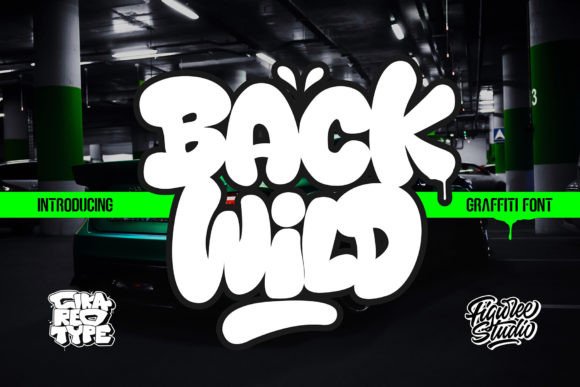
There's a particular energy that jumps off the screen when you see a font that refuses to sit quietly. Back Wild carries that energy in every curve, every bold stroke, and every playful swash detail. It's the kind of typeface that makes you lean in—not because it's hard to read, but because it feels alive. For designers, entrepreneurs, and creative professionals searching for a typeface that communicates confidence and street-level authenticity, this graffiti-inspired font delivers something most display fonts simply can't: genuine personality without sacrificing usability.
What Makes This Font Stand Out in a Crowded Market
Back Wild isn't trying to be everything to everyone, and that's precisely what makes it effective. The letterforms are intentionally wide and rounded, giving each character a chubby, approachable silhouette that feels both playful and authoritative. Where many graffiti fonts lean heavily into illegibility or aggressive angles, this typeface finds a sweet spot between raw street art energy and clean design fundamentals. The swash characters elevate it further—those decorative flourishes transform ordinary headlines into visual statements that feel hand-crafted rather than algorithmic.
Think about the last time a piece of packaging or a social media graphic actually stopped your scroll. Chances are, the typography played a significant role. Bold display fonts like this one work because they create immediate visual hierarchy. Your eye is drawn to them before you even process the words themselves. That's not a gimmick—it's basic design psychology, and Back Wild leverages it naturally through its thick, confident weight and distinctive character shapes.
Where This Typeface Actually Works in Real Projects
Let's get practical. A font can look incredible in a specimen sheet and fall apart in real-world application. The question isn't whether Back Wild looks good—it's whether it solves problems for actual projects. The answer depends on context, and understanding that context is what separates thoughtful design from trend-chasing.
Logo design and brand identity remain the most obvious applications. If you're building a brand for a streetwear label, a skate shop, a hip-hop podcast, a craft brewery with an urban edge, or any business that wants to signal creativity and boldness, this typeface gives you a strong starting point. The chunky letterforms scale well, maintaining their character whether they're embroidered on a hat or displayed on a billboard. That scalability matters more than most people realize—a logo needs to work at half an inch and fifty feet.
Packaging design is another natural fit. Picture a hot sauce label, a snack brand targeting younger demographics, or a limited-edition product drop. Back Wild's visual weight commands shelf presence, and the swash alternates let you add personality to product names without cluttering the overall layout. Pair it with a clean sans serif font for ingredient lists and descriptions, and you've got a hierarchy that's both functional and visually striking.
Social media graphics demand fonts that perform at small sizes on mobile screens while still feeling distinctive. This is where many decorative fonts fail—they become muddy or unrecognizable when scaled down. Back Wild's generous proportions and open letterforms handle this challenge better than most display typefaces. Instagram stories, YouTube thumbnails, TikTok overlays, and promotional banners all benefit from type that reads quickly and looks intentional.
For merchandise and print materials—think event posters, concert flyers, festival branding, custom apparel, and sticker packs—this font brings the kind of visual punch that makes people want to own the design, not just see it. There's a reason graffiti-inspired typography has remained relevant across decades of design trends. It taps into something culturally resonant, something that feels authentic rather than manufactured.
Editorial layouts and digital products might seem like an unusual pairing, but consider a magazine feature on urban culture, a digital zine, or an ebook cover for a contemporary fiction title. Display fonts serve a specific editorial purpose: they set the tone before a single paragraph is read. Used thoughtfully for chapter headings, pull quotes, or section dividers, Back Wild adds editorial edge without overwhelming body text.
Pairing Fonts Without Creating Visual Chaos
Here's where many designers—especially those newer to typography—struggle. You've found a bold, expressive font you love. Now what? The instinct is often to pair it with something equally dramatic. Resist that urge.
Back Wild works best alongside typefaces that do the quiet work. A geometric sans serif font like Montserrat, Poppins, or even a straightforward serif font for longer passages creates breathing room. The display font handles headlines and focal points; the supporting font carries paragraphs and detailed information. This contrast isn't just aesthetic—it's functional. Your audience processes information more efficiently when visual hierarchy is clear.
Test your pairings in context, not just in a design file. Mock up a real Instagram post. Print a sample business card. View the combination on an actual phone screen. What looks balanced at 200% zoom on a 27-inch monitor might feel completely different at arm's length on a printed poster. Font pairing is iterative—expect to adjust sizing, spacing, and weight ratios before things click.
Readability Isn't Optional—Even with Display Fonts
Bold and decorative doesn't have to mean illegible. One of the strengths of this particular typeface is that its rounded, open forms maintain clarity even when used at moderate sizes. That said, context matters enormously. A graffiti font used for body copy at 11 points is almost always a mistake, regardless of how well-designed the letterforms are. Reserve display typefaces for their intended purpose: headlines, titles, short phrases, and callouts where visual impact takes priority over sustained reading.
Consider your audience's viewing conditions. Will they be reading this on a phone in bright sunlight? On a printed flyer handed out at an event? On a website banner viewed from across a room? Each scenario demands different sizing, contrast, and spacing decisions. Back Wild's generous weight actually helps with contrast against backgrounds, but always test light-on-dark and dark-on-light variations to ensure the type reads cleanly in every intended application.
Licensing, File Formats, and the Business Side
Before committing to any premium font for commercial work, verify the licensing terms match your intended use. Most quality typefaces—including well-crafted display fonts like this one—come with clear commercial licensing that covers print, digital, and merchandise applications. However, specific terms vary. Some licenses cover a single user; others accommodate entire teams. Some restrict use on print-on-demand platforms; others explicitly permit it.
Review what's actually included in the font package. Does it offer multiple weights or styles? Are the swash characters accessible through OpenType features, alternate character sets, or separate font files? Understanding these details before you start designing prevents frustrating mid-project discoveries. A good font package includes documentation or at least a character map so you know exactly what creative options are available.
If you're a small business owner managing your own branding rather than working with a dedicated designer, investing in a quality typeface is one of the most cost-effective decisions you can make. A single premium font used consistently across your website, social media, packaging, and printed materials does more for brand recognition than cycling through free fonts that change with every project. Consistency builds trust, and trust drives business.
Making Typography Work for Your Brand Long-Term
The best typography decisions aren't about chasing what looks trendy this month. They're about choosing type that reflects your brand's voice and sticking with it. Back Wild speaks a specific language—bold, urban, creative, unapologetic. If that language matches your brand's personality, it becomes more than a design asset. It becomes part of your visual identity, something your audience recognizes before they even read the words.
Start by defining what you want your typography to communicate. Confidence? Playfulness? Rebellion? Sophistication? Once you've clarified the emotional target, evaluating whether a typeface fits becomes straightforward. Test it across your actual touchpoints—your website header, your email signature, your product labels, your social templates. If it feels right everywhere, you've found your match.
Typography is one of those design elements that works hardest when nobody notices it consciously. People feel the vibe of your brand through every font choice, every letter spacing decision, every headline treatment. Get it right, and everything else in your visual communication becomes easier. That's the real value of a typeface like this one—it doesn't just decorate your designs. It gives them voice.