Autism: A Puzzle-Piece Font for Creative, Awareness-Driven Design
There’s a particular kind of magic in a typeface that tells a story before you’ve even read the words. It’s in the weight of the letters, the curve of a terminal, the negative space that shapes a message’s first impression. For designers, marketers, and creators working on projects centered on community, diversity, or awareness, finding a font that carries inherent meaning can be transformative. Enter Autism, a vibrant decorative display font that does more than just spell words—it weaves a narrative of connection and individuality through every single character.
A Typeface Built on Symbolism and Strength
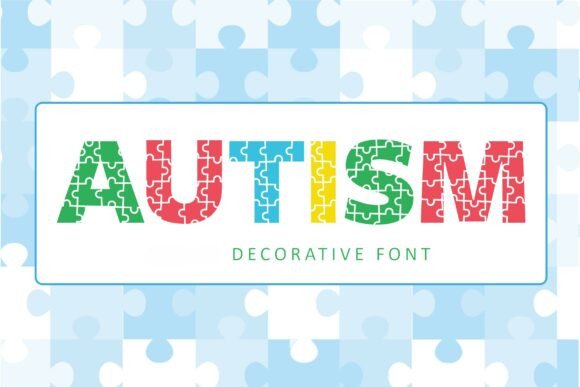
At its core, Autism is a bold, blocky display font, but look closer and you’ll see its true character. Each letterform is meticulously detailed with a puzzle-piece motif, an iconic symbol long associated with the neurodiversity community. This isn’t a subtle watermark; it’s an integrated, high-contrast design element that makes the typography itself a focal point. The silhouette remains friendly and accessible, avoiding overly sharp edges in favor of rounded, approachable shapes. This combination—symbolic detail within a strong, readable structure—gives the font a unique dual personality: it’s both meaningful and visually striking.
The visual appeal lies in this balance. The puzzle patterns add texture and depth, preventing the bold letters from feeling flat or monolithic. For any project aiming to communicate themes of awareness, acceptance, or the beauty of diverse perspectives, this font provides a built-in visual metaphor. It’s a creative font that does heavy lifting for your brand identity, turning a simple headline into a statement of values.
From Non-Profit Campaigns to Community-Centric Branding
Where does a typeface like this truly shine? Its most natural home is in the world of awareness campaigns and non-profit branding. Imagine the cover of an annual report for an autism advocacy organization, or the main headline on a poster for a local community fundraiser. The font immediately sets the tone, signaling the event’s or organization’s focus without a single explanatory sentence. It builds instant recognition and emotional resonance with the audience.
Beyond direct advocacy, its applications in broader design are surprisingly versatile. Consider these practical uses:
- Logo Design & Brand Identity: For a small business, social enterprise, or podcast dedicated to inclusive topics, using Autism in a wordmark or as a supporting display font can anchor the entire visual identity in a message of unity.
- Packaging & Merchandise: Products aimed at supporting neurodiverse individuals or promoting inclusive values can use this font on labels, tags, and packaging to reinforce their mission. It’s equally powerful on tote bags, t-shirts, and pins.
- Digital Presence: While it’s a display font best used sparingly, it can create immense impact as a header font on a website, in email newsletter graphics, or as the title text for a series of social media posts. It ensures your digital content is scroll-stopping and on-brand.
- Print & Editorial Layouts: Think of magazine feature headlines, chapter titles in a book about personal stories, or the cover of a planner designed for mindful productivity. It adds a layer of intentional design that generic fonts cannot provide.
- Event Graphics: From conference banners and name badges to invitation headers and program booklets, using this font for event collateral creates a cohesive and immersive experience for attendees.
Pairing for Purpose and Professional Polish
A powerful decorative font like Autism demands thoughtful pairing. Its strong personality means it will dominate any layout, so the key is to choose complementary typefaces that support rather than compete. For body text, legibility is paramount. This is where a clean, neutral sans serif font or a classic serif font comes in. A font like Open Sans, Lato, or even a timeless serif like Garamond or Georgia can provide the necessary readability for paragraphs, descriptions, and longer text blocks, allowing the puzzle-piece headlines to stand out without causing visual fatigue.
Think of it as a team: Autism is the charismatic keynote speaker who captures everyone’s attention, and your body font is the clear, articulate moderator who guides the rest of the conversation. This approach ensures your brand identity remains professional and your message accessible. Always test your pairings at scale—what looks good on a business card must also work on a billboard or a mobile screen.
Practical Considerations for Seamless Integration
Before you dive in, a few practical notes will help you make the most of this asset. First, review the included font styles. Most premium fonts like this come with variations—perhaps a regular weight and a bold or outline version. Understanding what’s in your toolkit is the first step to creative application.
Second, always consider the context of readability. The intricate puzzle details, while beautiful, are best appreciated at larger sizes. This font is engineered for headlines, titles, and short bursts of impactful text, not for fine print or lengthy body copy. Use it where it can breathe and be seen.
Finally, clarify the commercial licensing terms. Whether you’re a freelancer using it for client work or a business incorporating it into your own brand assets, ensure the license covers your intended use—be it for digital products, printed merchandise, or social media graphics. This due diligence protects you and your clients and is a hallmark of professional practice.
A Tool for Meaningful Visual Communication
In a landscape saturated with generic typefaces, choosing a font with built-in symbolism is a strategic design decision. The Autism font is more than a collection of glyphs; it’s a design asset that carries a message of diversity and connection. It helps creators build visual consistency around a core idea, strengthening brand recognition and deepening audience engagement through thoughtful, value-driven design.
Whether you’re crafting the identity for a new inclusive brand, designing materials for a community initiative, or simply looking for a creative font that adds profound depth to a personal project, this typeface offers a unique solution. It reminds us that great design isn’t just about how things look, but about what they communicate. By choosing typography that aligns with your project’s heart, you turn every letter into a part of a larger, more beautiful picture.